Choosing the Right Tiles for Your Spa Bathroom
Natural stone options, porcelain finishes, and slip-resistant surfaces that actually look good. Plus what to avoid.

Why Tiles Matter More Than You Think
Tiles are the foundation of your spa bathroom experience. They’re not just decorative — they handle moisture, affect how you feel when stepping out of the shower, and set the entire mood of the space. The right choice makes all the difference between a bathroom that feels luxurious and one that feels cramped or cold.
We’ve worked with over 200 homes in Hong Kong transforming their bathrooms into personal wellness sanctuaries. The tiles are always the first decision that determines everything else — lighting, colors, fixtures. Get them right, and the rest falls into place.
Natural Stone vs. Porcelain: The Real Differences
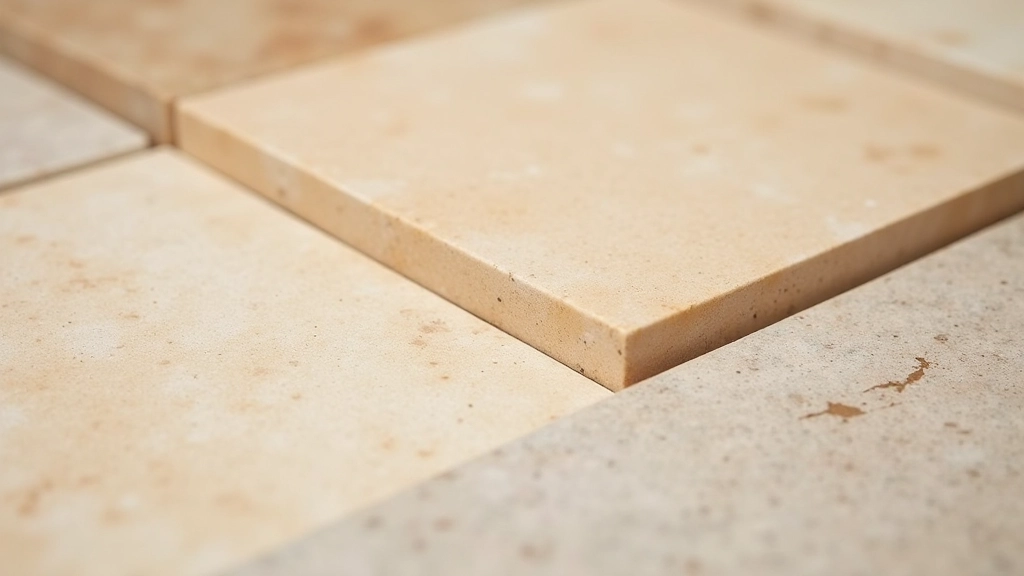
Natural stone — marble, slate, limestone — feels amazing underfoot. It’s warm, it develops character over time, and it genuinely looks luxurious. But here’s what they don’t tell you: it’s porous. Water soaks in. You’ll need to seal it properly, and you’ll need to maintain it. Marble stains if you spill anything acidic. Slate can be slippery when wet.
Porcelain is the practical choice. Modern porcelain can mimic natural stone so convincingly that most people can’t tell the difference. It’s water-resistant, durable, and low-maintenance. It’s also more affordable. The downside? Some porcelain finishes feel cold underfoot, though there are heated floor options that change that entirely.
Pro tip
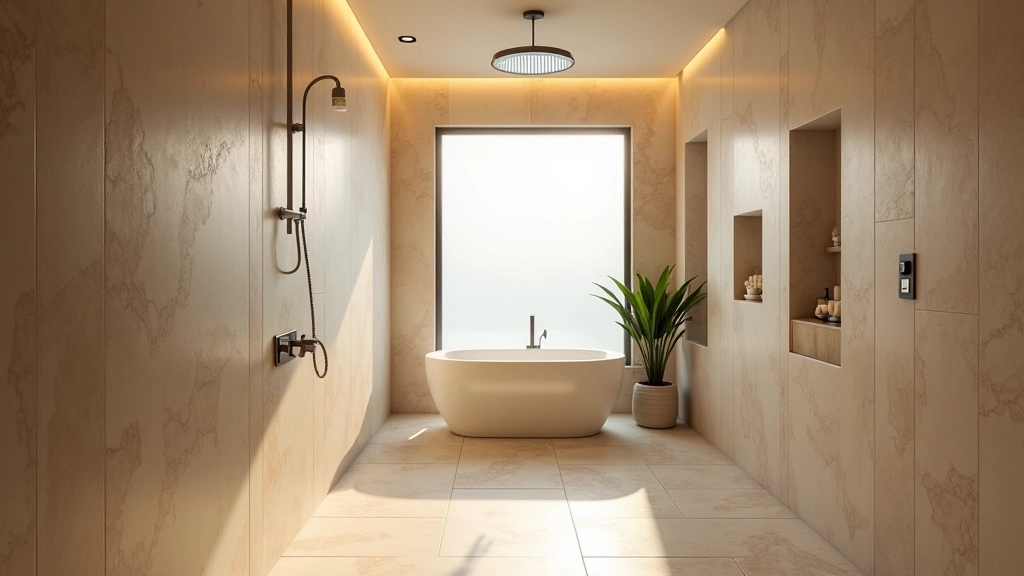
Mix both. Use natural stone on shower walls (vertical, less water sitting) and porcelain on the floor (where durability matters most). You’ll get the luxury feel plus the practical benefits.
Understanding Surface Finishes
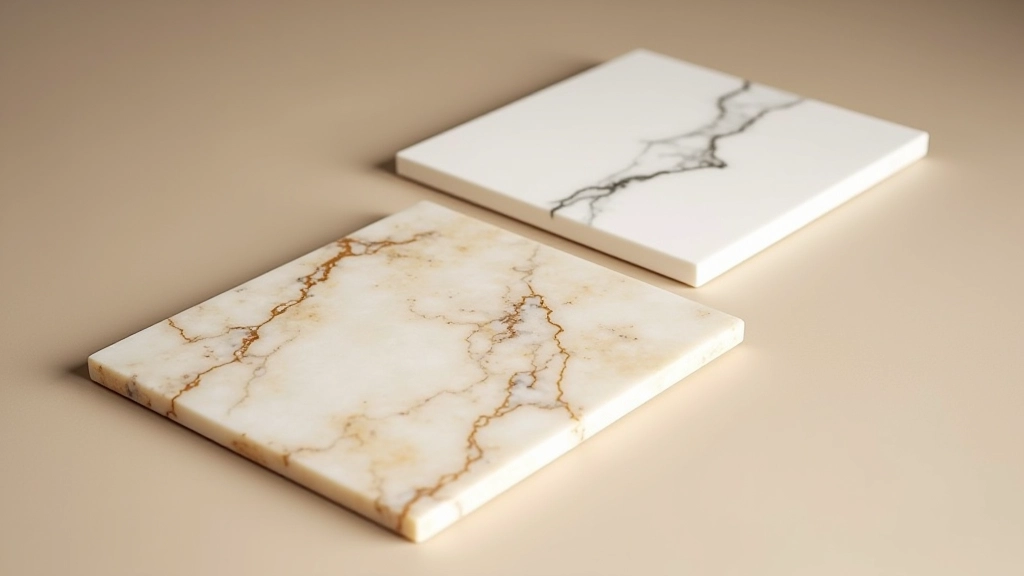
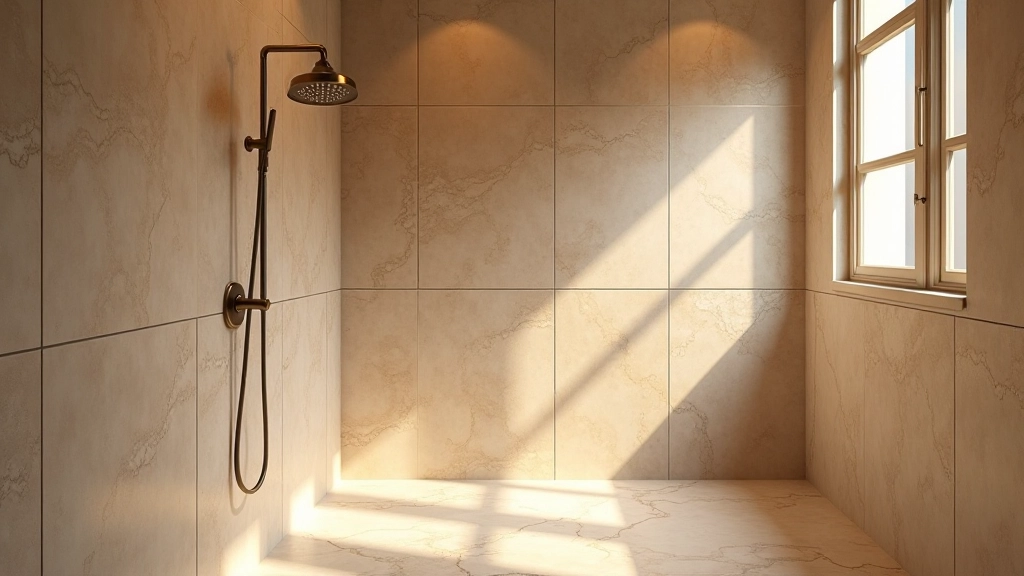
Finish changes everything. Polished tiles reflect light and make spaces feel bigger — great for smaller bathrooms. They’re also slippery when wet, so avoid these on shower floors. Honed finishes are matte, safer underfoot, and hide water spots better. Textured finishes offer grip naturally, which is why they’re perfect for shower floors.
Here’s what matters most: you’ll be stepping on these tiles barefoot, often with wet feet. A textured floor finish (think 4-6mm texture) prevents slipping without feeling rough. Walls can be polished or honed depending on your lighting goals. If you’re in a bright space with natural light, polished walls amplify that light beautifully. Dimmer bathrooms benefit from honed or textured surfaces that diffuse light more gently.
Slip resistance rating
R10-R13
for wet areas
Grout lines
3-5mm
standard width
Tile Size and Grout: The Details That Matter
Larger tiles (600x600mm or bigger) make bathrooms feel more spacious and modern. They’re easier to clean since there’s less grout. But larger tiles require perfectly level floors, which isn’t always realistic in Hong Kong homes with older construction. Smaller tiles (300x300mm) work on uneven surfaces and offer more design flexibility.
Grout color is huge. Light grout makes spaces feel open and clean. Dark grout is dramatic and hides stains better. In a spa bathroom, we typically recommend grout that matches the tile color for a seamless look, though contrasting grout can add visual interest if that’s your style.
Epoxy grout costs more but lasts longer and resists staining better than cement grout. If you’re investing in natural stone tiles, spend the extra on epoxy grout. It’s worth it over 10+ years.
What to Avoid (We’ve Seen These Mistakes)
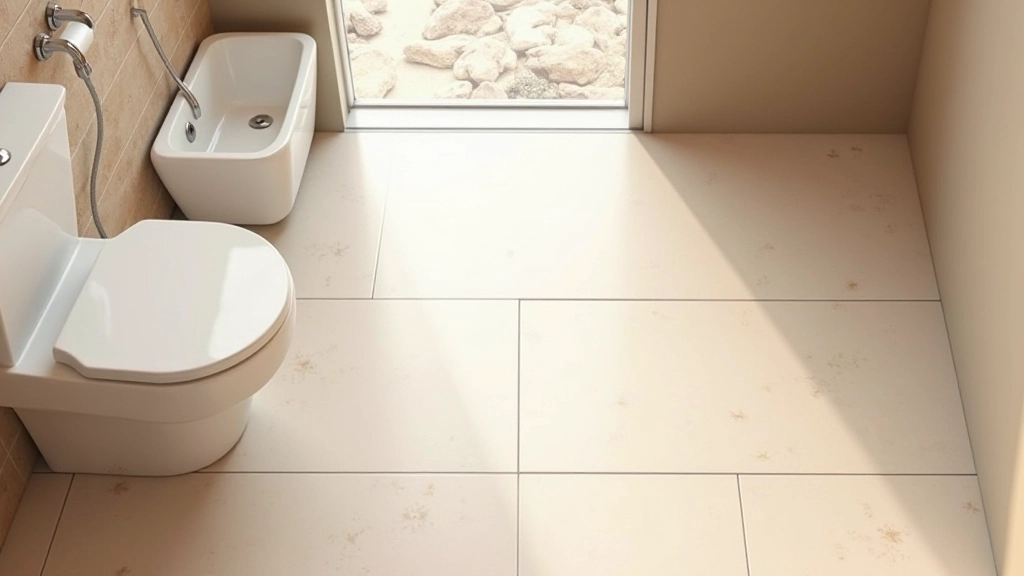
Glossy Tiles on Shower Floors
They look beautiful in photos. In reality, they’re treacherous when wet. Someone will slip. Use textured finishes for any floor that gets wet.
Cheap Grout Sealing
Grout absorbs moisture and mold. Sealing it properly prevents staining and extends the life of your tiles by years. It’s one of those 200-dollar decisions that saves you thousands later.
Choosing by Pictures Alone
Lighting in showrooms is completely different from your home. Always get samples and see them in your actual bathroom lighting before deciding.
Too Many Different Tiles
Three types of tile in one bathroom feels chaotic. Stick with two — a feature wall and everything else. Less is more in spa design.
The Right Choice is Personal
There’s no universally “best” tile. It depends on your bathroom’s layout, your climate, your maintenance commitment, and how you want the space to feel. A luxury spa vibe needs durability, slip resistance, and finishes that hold up to daily use — but it also needs to feel good when you step on it barefoot at 6am.
Start by thinking about what you’ll actually use. Will you be soaking in a tub for hours? Then natural stone walls with heated porcelain floors. Quick showers only? Porcelain throughout gives you flexibility and low maintenance. Budget tight? Good quality porcelain that mimics natural stone has come a long way — nobody will know the difference.
Get samples. See them in your space. Live with the decision for a week. Then commit. Your bathroom will look beautiful for the next 15 years.
Disclaimer
This article is informational and educational in nature. It’s based on design experience and industry practices, not professional engineering or structural advice. Tile selection, installation, and waterproofing requirements vary depending on your specific home, building codes, and local conditions. Always consult with a licensed contractor or tile specialist before making final decisions for your project. This content is meant to guide your research — not to replace professional consultation.
Continue Reading About Spa Bathrooms